
Clamping Force: The First Gate
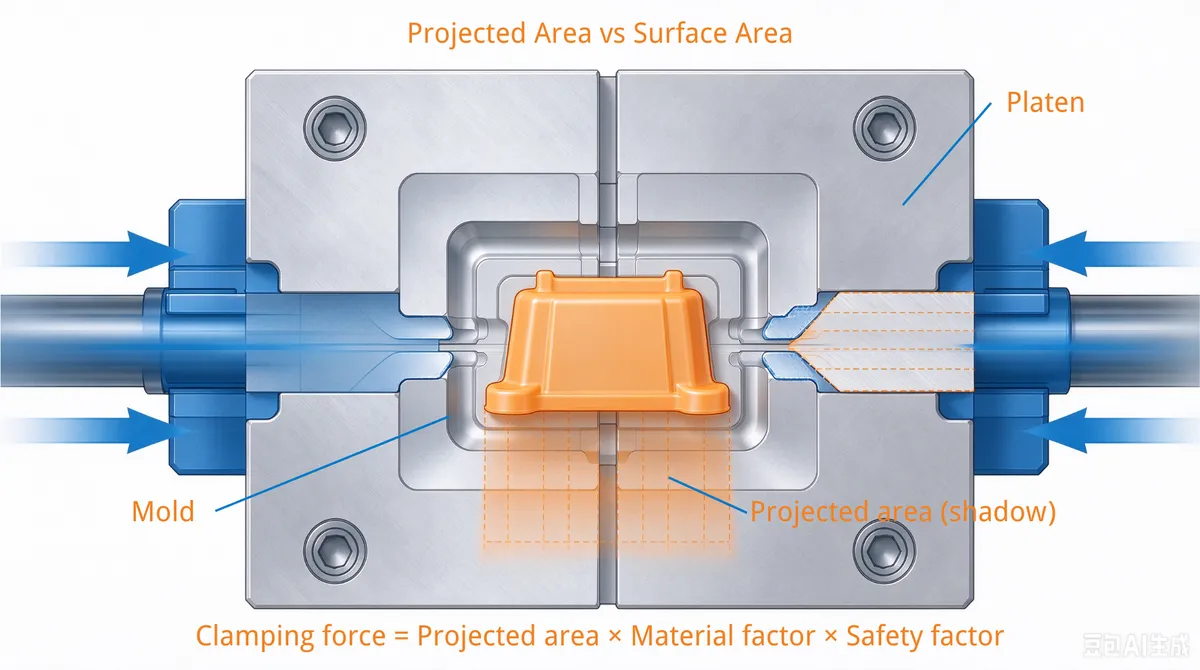
Clamping force keeps the mold closed against injected plastic. Too low, and you get flash. Too high, and you waste energy and wear the mold.
Here’s the formula:
Required clamping force = Projected area × Material factor × Safety factor
Projected area is the shadow of the part as seen from the direction the mold opens. Not the surface area. If you have a multi-cavity mold, add all cavities plus the runner.
Material factor depends on resin. Rough guide:
| Resin | Material factor (tons/cm²) | Notes |
|---|---|---|
| PP, PE | 0.3–0.4 | Low viscosity, easy flow |
| ABS, PS | 0.4–0.5 | Medium |
| PC, PA, POM | 0.5–0.8 | High viscosity, engineering resins |
Safety factor is usually 10%–20%. Don’t skip it. But don’t double it “just to be safe.” Oversizing the clamp by 50% doesn’t improve quality. It just increases machine cost and power use.
Real case: A household appliance manufacturer sent us a mold drawing with 8 cavities. They thought 150 tons would be enough. The projected area was 220 cm², and with PC/ABS they needed at least 180 tons. We caught it before the mold was cut. That’s a $12,000 mistake avoided.
What this means for YISU customers: Our Servo Energy-Saving Series holds pressure stability across the clamping range. You size for the real requirement—not for a buffer against inconsistent pressure.
Shot Size: Stay Between 20% and 80%
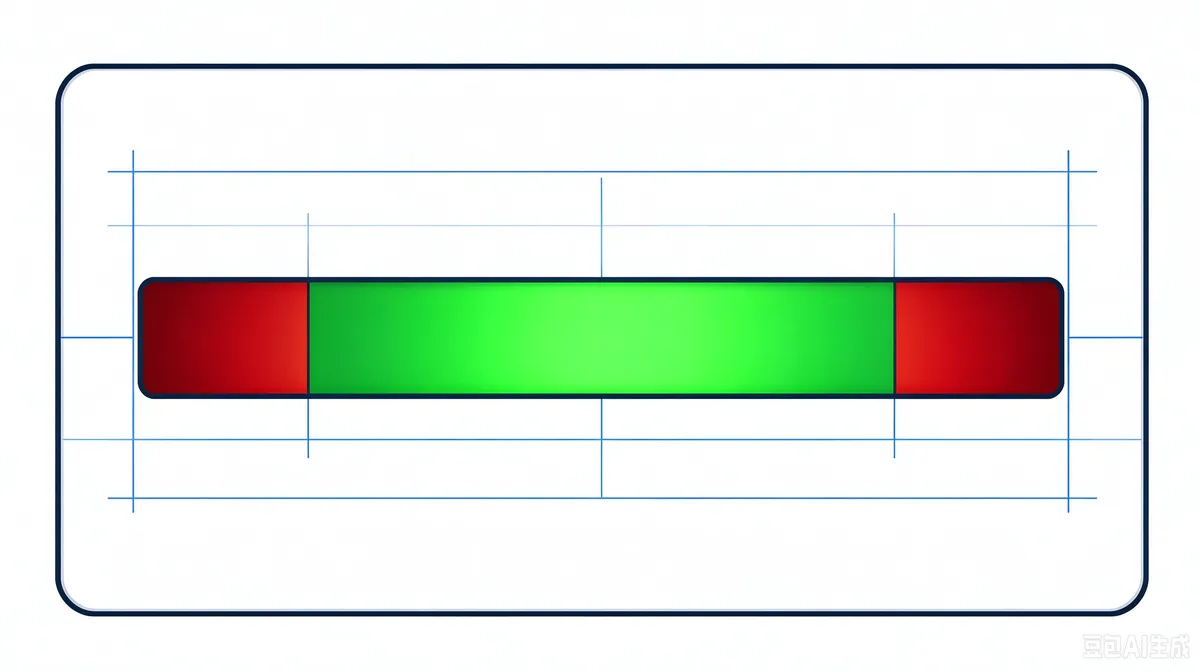
Shot size is the maximum plastic the injection unit can push in one cycle.
The industry rule: total shot weight (parts + runner) should be 20%–80% of the machine’s max shot capacity.
Why?
| Range | Problem |
|---|---|
| Below 20% | Resin stays in the barrel too long. PVC, PET degrade. Black specks. Inconsistent parts. |
| 20%–80% | Sweet spot. Stable pressure, repeatable shots, room to adjust. |
| Above 80% | No reserve capacity. Shot-to-shot repeatability drops. Mold changes become risky. |
Practical tip: Calculate in grams, not volume. Machine specs are often rated in PS. Ask your supplier how they rate shot weight. YISU rates in PS and converts to your resin.
Real case: A medical disposable maker ran PP syringes on a machine rated 50g. Their shot weight was 8g—16%. They fought black specks for months. We moved them to a 25g injection unit. Problem gone.
Mold Dimensions: The Hard Constraints
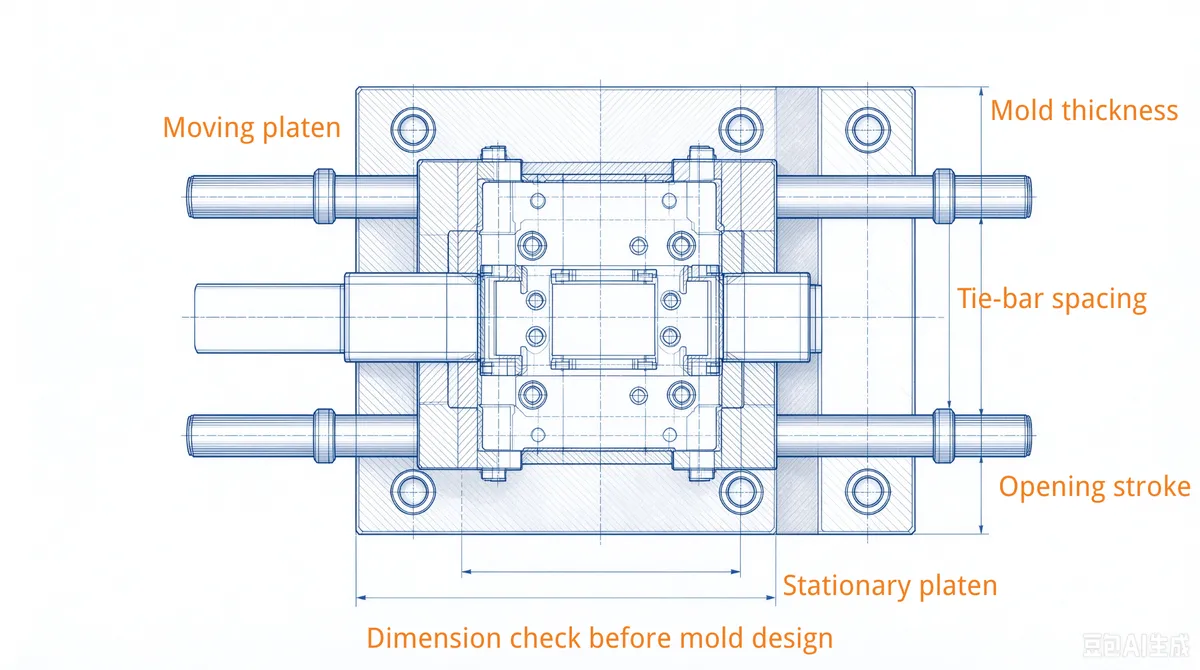
Clamping force and shot size have ranges. Mold dimensions are binary. The mold either fits or it doesn’t.
Check these four:
- Tie-bar spacing: Mold width/height must be smaller than the distance between tie bars.
- Mold thickness: Must fall between machine’s min and max mold height.
- Opening stroke: At least twice the part height, plus runner length.
- Ejector pattern: Confirm alignment with your mold’s ejector plate.
If your mold is already built, these are fixed. If you’re still designing, you have flexibility—but confirm machine compatibility before finalizing the drawing.
Drive System: Match the Technology to the Application
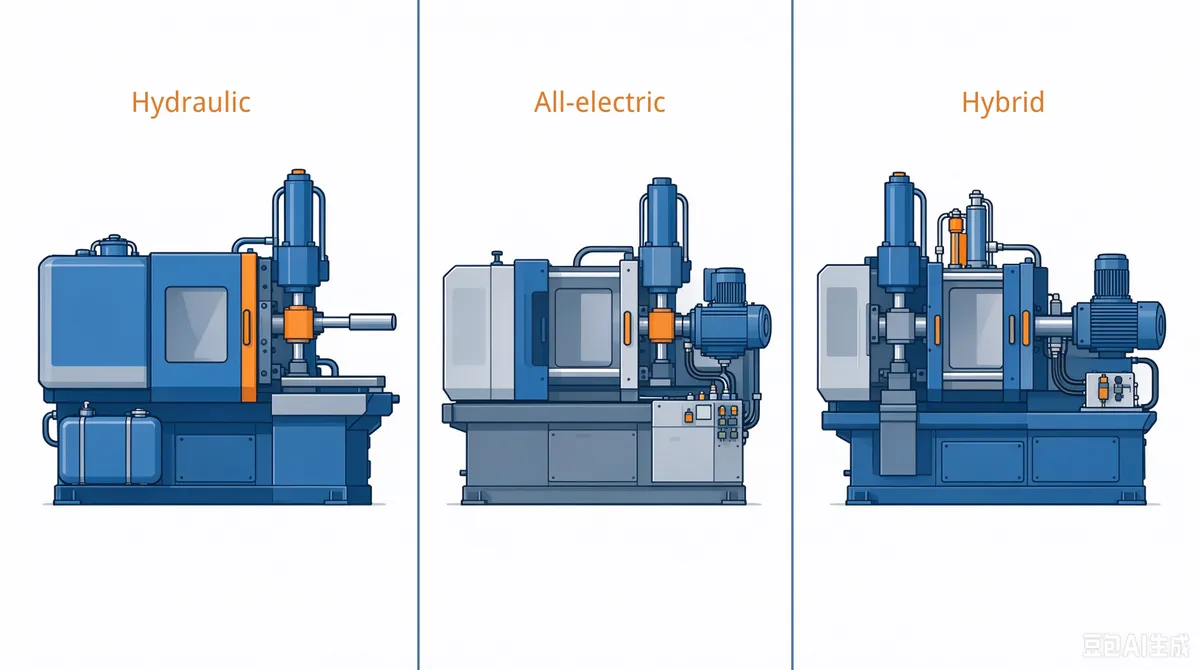
Once clamping force, shot size, and mold dimensions are clear, pick the drive.
| Drive type | Best for | Watch out for |
|---|---|---|
| Hydraulic | Large parts, thick walls, cost-sensitive | Higher energy use |
| All-electric | Medical, optical, thin-wall precision | Higher upfront cost |
| Hybrid / servo-hydraulic | General purpose, balanced precision and cost | Not the cheapest, not the most precise |
Energy matters more than you think. Here’s a typical injection molding machine energy breakdown:
- Hydraulic system — 55%
- Heating system — 25%
- Control and other — 20%
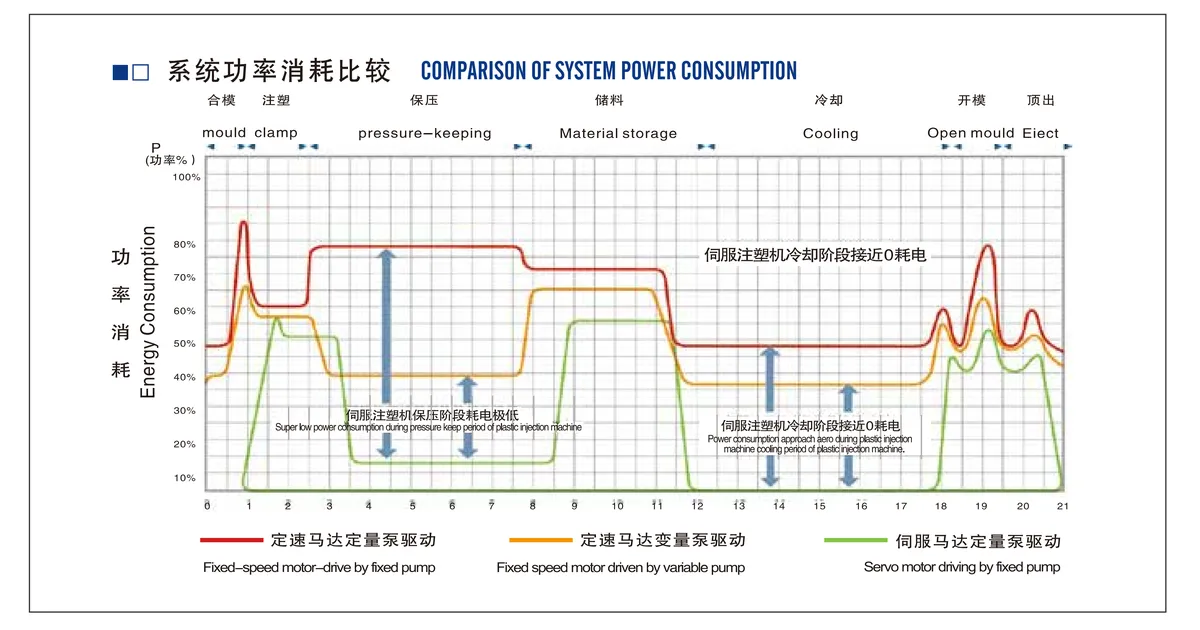
Servo-hydraulic systems attack the biggest slice. YISU’s Servo Energy-Saving Series reduces power usage by 30%–70% while keeping pressure stable.
Real case: A storage crate manufacturer in Southeast Asia ran three hydraulic machines 24/7. Their power bill was the biggest pain point. They switched one line to a YISU servo system. Power dropped 48% on that line. Payback was under 14 months.
Product fit:
- Thin-wall food packaging, IML containers, medical syringes → High-Speed Precision Series
- PET preforms, rigid PVC fittings, multi-component parts → Custom Special-Purpose Series
- Appliances, junction boxes, automotive interior panels, crates → Servo Energy-Saving Series
Common Sizing Mistakes (And How to Avoid Them)
| Mistake | What happens | Fix |
|---|---|---|
| Guessing tonnage from part weight | Flash or mold damage | Calculate projected area |
| Using surface area instead of projected area | Oversized machine | Use the shadow area |
| Ignoring shot size ratio | Degraded resin, black specks | Stay 20%–80% |
| Forgetting opening stroke | Can’t eject part | Check twice part height |
| Buying on price only | Energy bill eats the savings | Compare total cost |
Your Pre-Inquiry Checklist

Before you contact any supplier, gather this:
| Item | Why it matters |
|---|---|
| Projected area (all cavities + runner) | Clamping force |
| Resin type | Material factor |
| Required shot weight (grams) | Shot size ratio |
| Mold dimensions (W × H × thickness) | Fit |
| Required opening stroke | Ejection |
| Target cycle time | Drive system choice |
With these six items, any qualified supplier can recommend a tonnage range and shot size within a day.
How YISU Helps You Size It Right
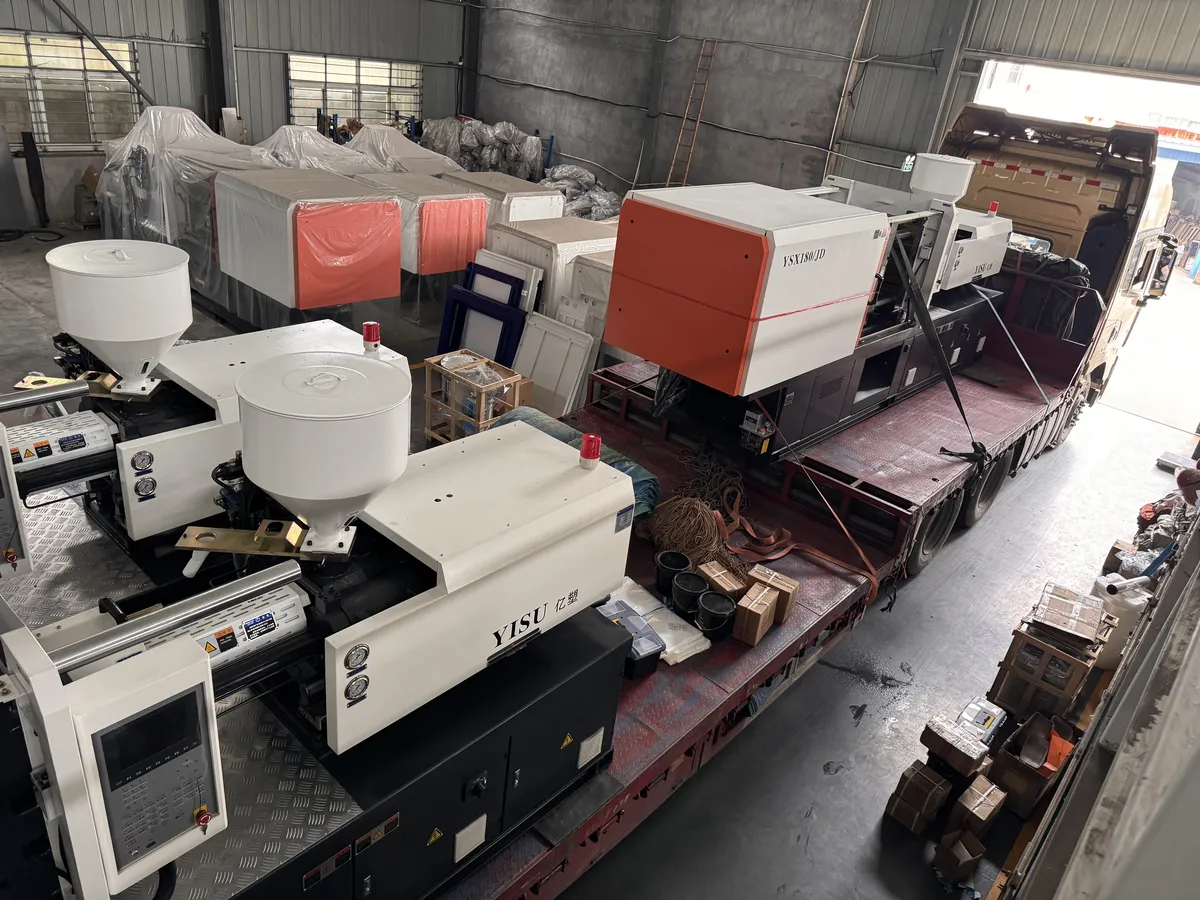
We’re a Ningbo-based injection molding machine manufacturer with ISO9001 certification. Our engineering team works directly with buyers—not through layers of sales.
Send us your mold drawing or part sample. We’ll return a recommended tonnage range and shot size within 24 hours, plus export logistics support.
No obligation. Just engineering.