
Quick Answer: The right drive system depends on four factors: precision requirement, energy cost, maintenance capability, and production environment. All-electric machines are best for medical, electronics, thin-wall precision, and cleanroom production. Hydraulic machines remain practical for very large tonnage and complex hydraulic core movements. Servo-hydraulic machines offer the best balance of cost, performance, and energy efficiency for general-purpose production. Do not choose based on purchase price alone—compare five-year total cost of ownership.
The Three Drive Systems Explained
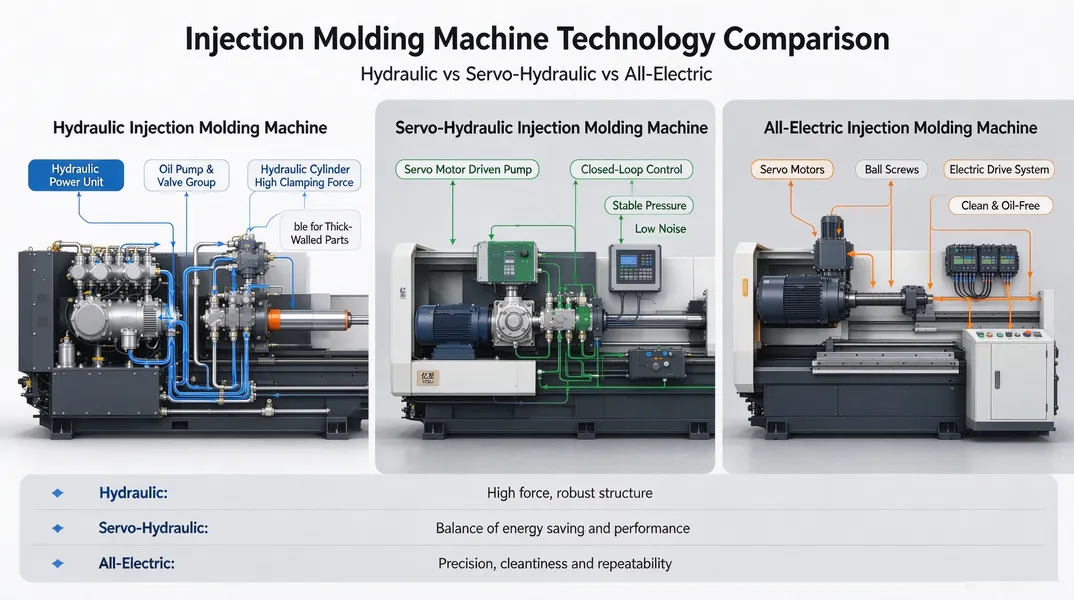
Injection molding machines use three main drive architectures. Each delivers power differently, and that difference affects energy use, precision, maintenance, and the type of products you can run.
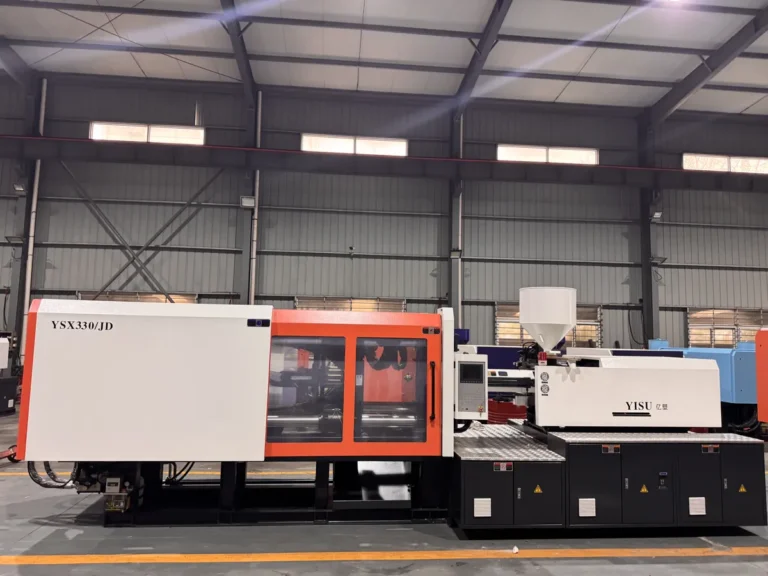
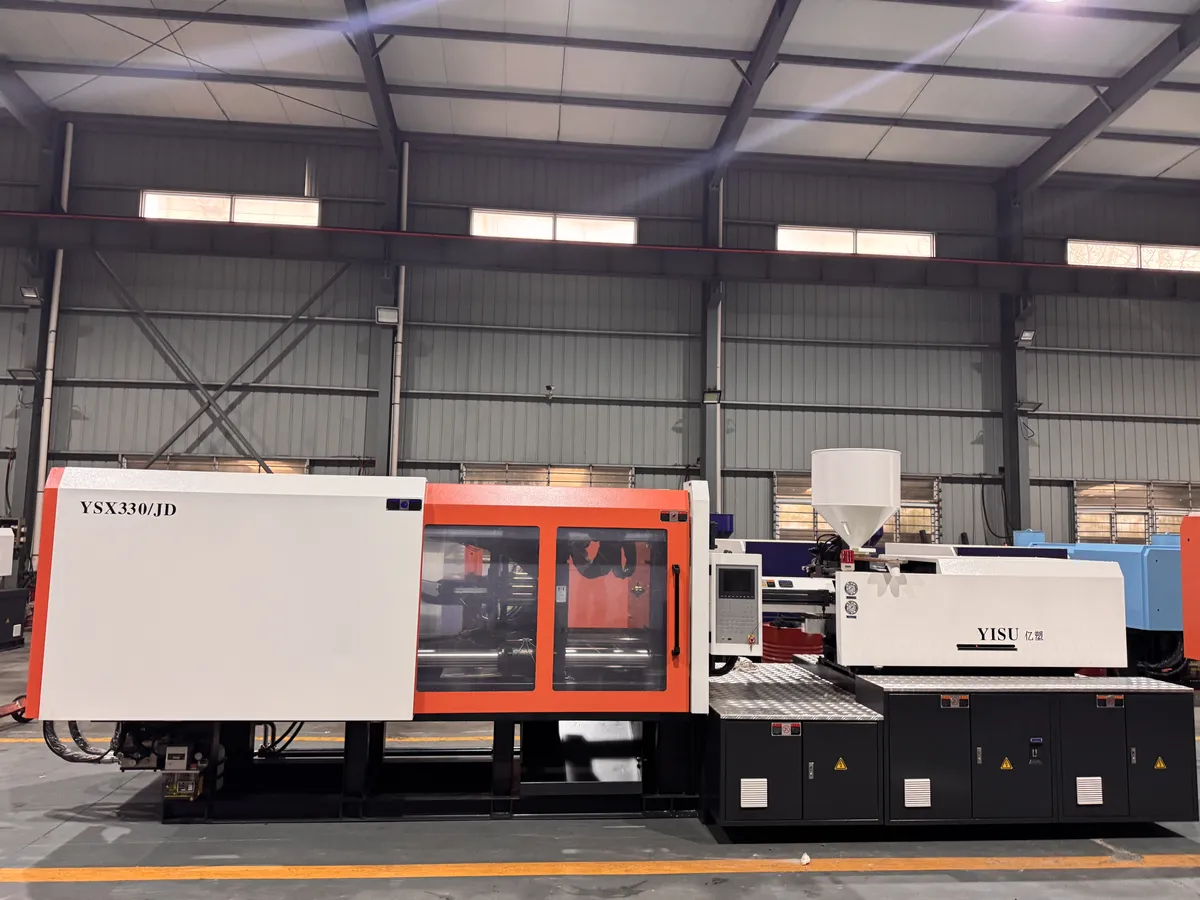
Hydraulic injection molding machines use a hydraulic pump and oil to drive clamping, injection, and ejection. They are known for high clamping force, rugged construction, and lower upfront cost. Their weakness is energy efficiency: the pump often runs continuously even when the machine is not injecting.
All-electric injection molding machines use servo motors and ball screws to drive each movement independently. They draw power mainly when the machine is moving, which reduces energy consumption dramatically. They also offer higher precision and cleaner operation because no hydraulic oil is used.
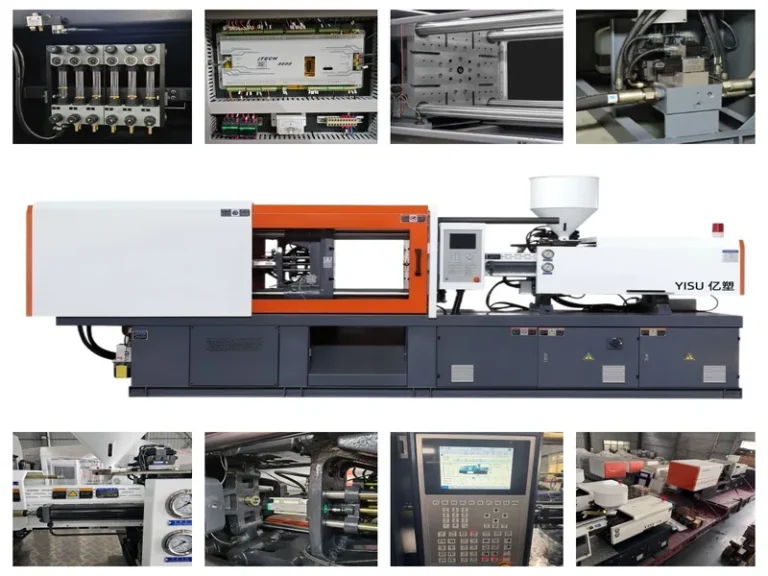
Servo-hydraulic injection molding machines combine a servo motor with a hydraulic system. The servo motor adjusts pump speed based on actual demand, cutting energy waste compared with traditional hydraulic machines. They cost less than full all-electric machines and perform better than standard hydraulic machines in most general-purpose applications.
Energy Consumption: The Biggest Operating Cost Difference
Energy is usually the largest cost difference between drive systems. A traditional hydraulic machine often consumes 30–70% more energy than an equivalent all-electric machine because its pump runs continuously. A servo-hydraulic machine typically falls in the middle, saving 30–50% compared with traditional hydraulic.
For a 150-ton machine running 6,000 hours per year, typical energy costs can look like this:
| Drive System | Typical Annual Energy Cost* | Five-Year Energy Cost |
| Traditional hydraulic | $9,000-12,000 | $45,000-60,000 |
| Servo-hydraulic | $5,000-7,000 | $25,000-35,000 |
| All-electric | $3,000-5,000 | $15,000-25,000 |
*Actual costs vary by region, electricity price, cycle time, and utilization.
In regions with high electricity prices, the energy savings alone can recover the higher purchase price of an all-electric machine within 2–3 years. This is why packaging, medical, and electronics manufacturers increasingly choose all-electric or servo-hydraulic systems.
Precision, Repeatability, and Process Control
If you mold parts with tight tolerances, thin walls, or strict repeatability requirements, the drive system matters as much as the machine size.
All-electric machines offer the highest precision. Because each axis is driven independently by a servo motor, injection speed, pressure, and holding pressure can be controlled with very high repeatability. This is critical for medical components, electronic connectors, and optical parts.
Servo-hydraulic machines provide good precision for most general-purpose applications. They are suitable for packaging, household products, and automotive parts where tolerances are moderate.
Traditional hydraulic machines can produce high-quality parts, but their repeatability is generally lower than all-electric systems. They are often used for large parts where clamping force and cost matter more than micrometer-level control.
Maintenance, Downtime, and Spare Parts
Maintenance requirements differ significantly by drive system.
| Factor | Hydraulic | Servo-Hydraulic | All-Electric |
|---|---|---|---|
| Hydraulic oil changes | Required | Required | Not required |
| Seals and valves | Wear items | Wear items | Fewer wear items |
| Ball screws | No | No | Periodic inspection |
| Cleanliness | Oil leakage risk | Moderate | Clean and dry |
| Typical maintenance cost | Medium–high | Medium | Low–medium |
Hydraulic machines require oil, filters, seals, and valve maintenance. All-electric machines eliminate hydraulic oil entirely, which reduces maintenance and cleanroom contamination risk. Servo-hydraulic machines still use oil but often run cooler and with less wear than traditional hydraulic systems.
Cleanroom and Environmental Requirements
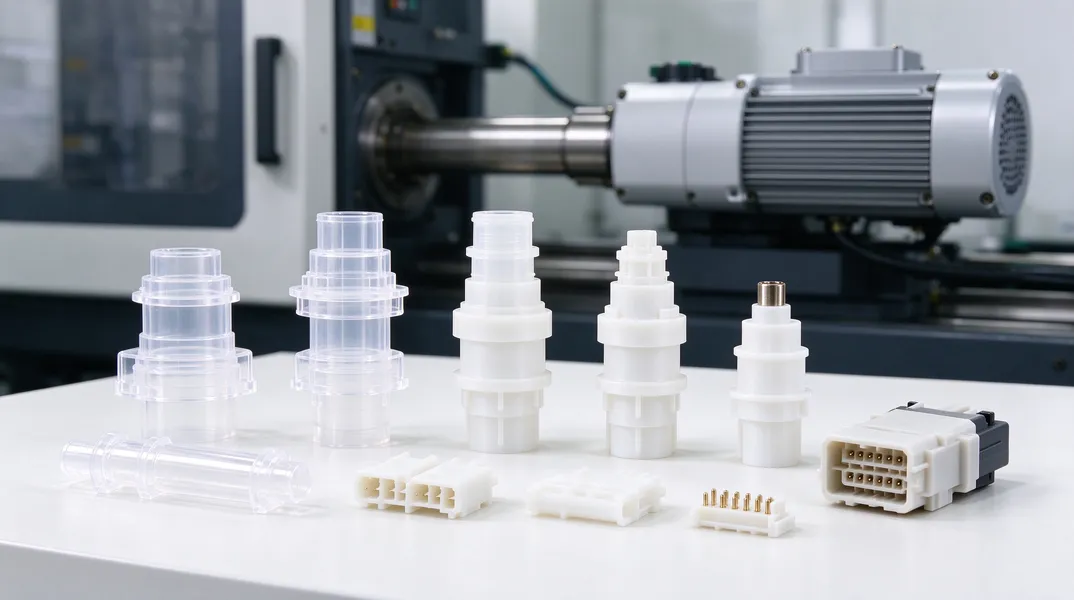
For medical, pharmaceutical, food packaging, and electronic applications, cleanroom compatibility can decide the drive system.
All-electric machines are the preferred choice for ISO Class 7–8 cleanrooms because they do not use hydraulic oil and produce less heat and particulate contamination.
Servo-hydraulic machines can be used in controlled environments, but oil management and ventilation must be planned.
Traditional hydraulic machines are generally not suitable for strict cleanroom production unless special enclosures and oil management systems are added.
6. Five-Year Total Cost of Ownership (TCO)
Purchase price is only one part of the decision. A five-year TCO comparison should include energy, maintenance, downtime, and spare parts.
| Cost Component | Hydraulic | Servo-Hydraulic | All-Electric |
|---|---|---|---|
| Purchase price | Lowest | Medium | Highest |
| Energy cost | Highest | Medium | Lowest |
| Maintenance cost | Medium–high | Medium | Low–medium |
| Downtime risk | Higher | Medium | Lower |
| Cleanroom suitability | Poor | Moderate | Excellent |
| Best fit | Large parts, high tonnage | General purpose, packaging | Medical, electronics, thin-wall |
For a manufacturer running 24/7 in a high-electricity-cost region, the all-electric premium is often recovered within 2–3 years. For a manufacturer running large parts with complex hydraulic core movements, a hydraulic or servo-hydraulic machine may still be the more practical choice.
7. Application Decision Matrix
Use this matrix as a starting point:
| Application | Recommended Drive System | Reason |
|---|---|---|
| Medical parts, cleanroom | All-electric | No oil, high precision, clean operation |
| Electronic connectors | All-electric | Tight tolerances, high repeatability |
| Thin-wall packaging | All-electric or servo-hydraulic | Fast cycle, energy savings, precision |
| General household products | Servo-hydraulic | Good balance of cost and efficiency |
| Automotive large parts | Servo-hydraulic or hydraulic | High clamping force, complex movements |
| Very large parts above 1,000 tons | Hydraulic or servo-hydraulic | High force, lower upfront cost |
| High electricity cost region | All-electric or servo-hydraulic | Energy savings drive payback |
What to Ask Your Supplier Before You Choose
Before you request a quotation, ask these questions:
Can you provide an energy consumption comparison for my specific part and cycle time?
Which servo motor and control system brands are used?
What is the expected maintenance schedule for the drive system?
How long does spare parts delivery take for my region?
Do you provide on-site commissioning and operator training?
Can the machine be integrated with my existing automation and robot interface?
What is the warranty coverage for motors, drives, and hydraulic components?
Do you have reference customers running similar applications?
A supplier who answers these questions with data is more likely to support you after the sale. A supplier who only quotes a price is not.
Frequently Asked Questions
Q: Is all-electric always better than hydraulic?
A: No. All-electric machines are better for precision, cleanroom production, and energy efficiency. Hydraulic machines are still practical for very large tonnage and complex hydraulic core movements. The right choice depends on your application, electricity cost, and maintenance capability.
Q: What is the typical payback period for an all-electric machine?
A: In high-utilization, high-electricity-cost environments, the energy savings can recover the price premium in 2–3 years. In low-utilization or low-electricity-cost regions, the payback may take longer.
Q: Can I retrofit a hydraulic machine to all-electric?
A: No. Retrofitting is not practical because the clamping, injection, and ejection systems are fundamentally different. If energy and precision are priorities, choose the correct drive system at the time of purchase.
Q: Which drive system is best for cleanroom production?
A: All-electric. It uses no hydraulic oil and produces less heat and contamination, making it the preferred choice for medical, pharmaceutical, and electronic cleanroom applications.
Q: Which drive system is best for large parts?
A: Hydraulic or servo-hydraulic. For clamping forces above 1,000 tons and complex hydraulic core movements, hydraulic systems remain the most practical solution.
Need Help Choosing the Right Drive System?
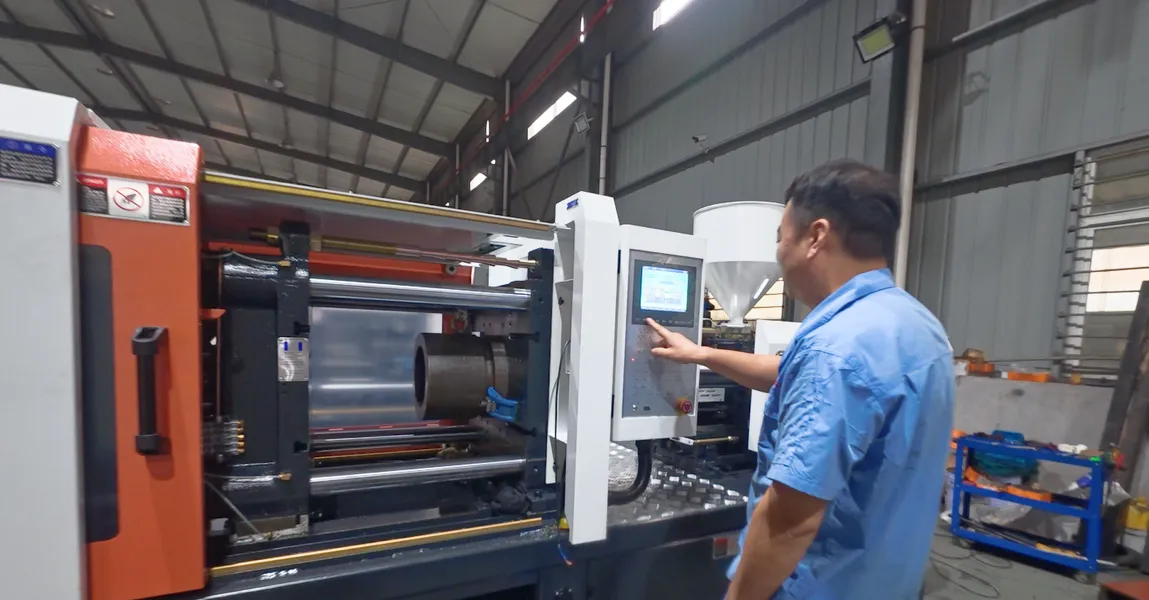
At Yisu Machinery, we help manufacturers select injection molding machines based on real application data—not catalog guesses. Our engineers have supported machine commissioning projects in 12 countries across Asia, Europe, and the Americas.
What we offer:
Free application analysis: send us your part data, material, and target output
Drive system comparison: hydraulic, all-electric, and servo-hydraulic options
Custom screw and barrel design for your resin
On-site commissioning and operator training
Spare parts and technical support within 48 hours
Ready to get an accurate quotation?
Or contact us directly:
Email: [yisu@yisu-machine.com]
WhatsApp: [+86-198-5816-5704]
Tell us your part weight, material, target output, and electricity cost—we will recommend the right drive system and provide a detailed quotation within 24 hours.