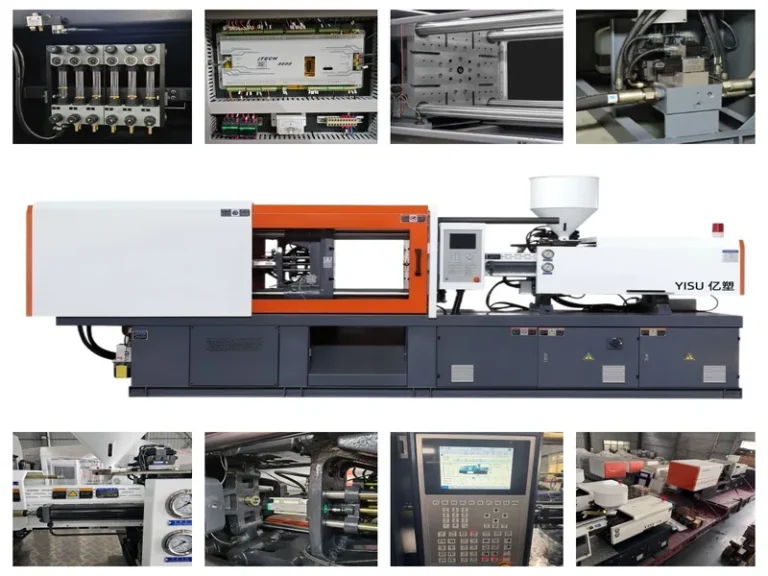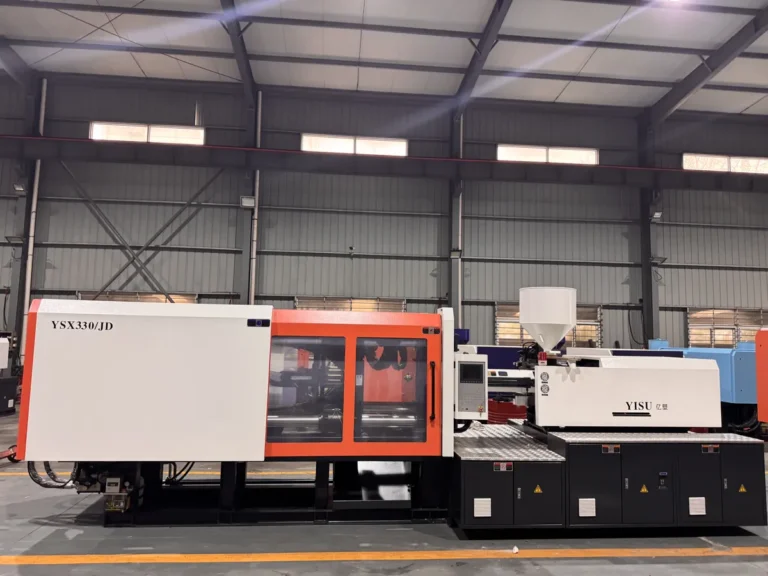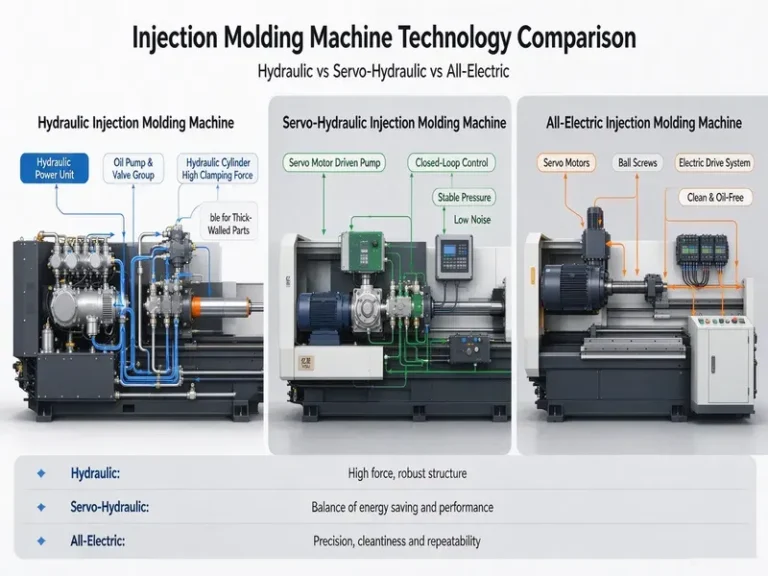


Quick Answer: Start with your preform, not with a machine tonnage. Preform weight, number of cavities and neck finish determine total shot weight. Total shot weight determines the injection unit. Cooling time determines whether the machine can actually reach your target cycle. The screw must be a PET barrier design. If any one of these four is mismatched, the machine will run—but not at the output or quality you expected.
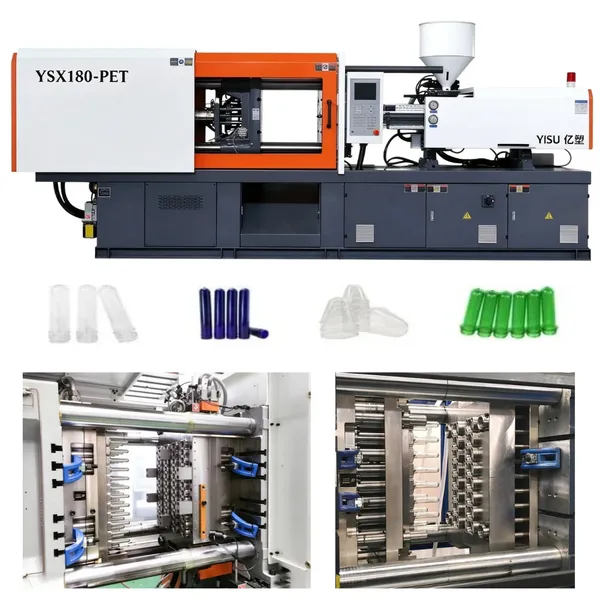
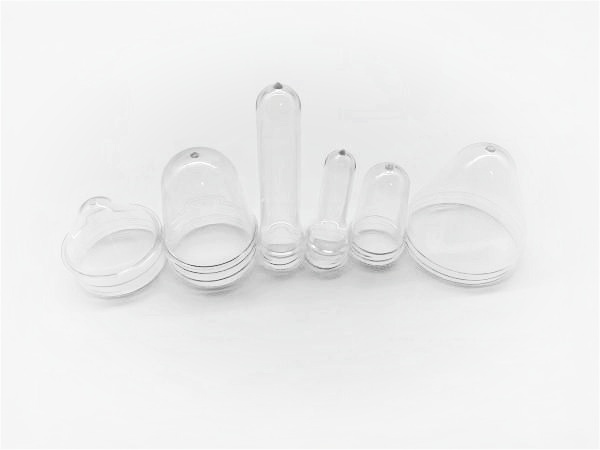
Most buyers send a message like this: “Please quote a PET preform machine for 20g preform, 8 cavities.”
That single line is not enough to quote correctly. A 20g preform with a narrow neck and a 20g preform with a wide-mouth neck can require different mold designs, different cooling layouts, and different ejection force. Eight cavities on a small machine and eight cavities on a machine with a larger platen are not the same project.
Start with Your Preform Data, Not the Machine Tonnage
The Two Numbers That Define Everything: Preform Weight and Cavity Count
Preform weight (g) → determines shot size and plasticizing demand
Number of cavities → determines total shot weight and mold size
Total shot weight = Preform weight × Number of cavities
A 20g preform running 8 cavities requires a total shot weight of 160g. A 15g preform running 16 cavities requires 240g. The injection unit must be sized for the total shot weight, not the single preform weight.
Why Total Shot Weight Should Not Sit at the Machine’s Limit
The machine’s rated shot capacity should not be set exactly at the total shot weight. PET needs a stable process window. If the injection unit runs at its limit, shot-to-shot weight variation increases and the screw recovery time may exceed the cooling time—meaning the machine cannot reach the target cycle.
A practical rule: the required total shot weight should fall within 30–70% of the machine’s rated shot capacity for PET preforms. Below 30%, residence time becomes excessive and PET degradation risk rises. Above 70%, you lose process margin.
What to Prepare Before Asking for a Quote
| Information | Why it matters |
|---|---|
| Preform weight (g) | Defines shot size and plasticizing load |
| Cavity count | Defines total shot weight and mold dimensions |
| Neck finish (e.g., PCO 1881, 30/25) | Affects mold design and ejection |
| Preform drawing or 3D file | Confirms wall thickness and cooling layout |
| Target output (pcs/hour) | Confirms whether cycle time and plasticizing capacity match |
Screw and Barrel: PET Is Not “General Purpose”
What a PET Barrier Screw Actually Looks Like
A standard general-purpose screw will run PET. It will not run PET well. PET has high crystallinity potential, is highly moisture-sensitive, and degrades quickly under excessive shear. The screw configuration matters more for PET than for PP or ABS.
A PET screw is typically a barrier screw design. A second flight separates unmelted pellets from already-melted material, so pellets fully melt without being over-sheared. Most PET single-screw designs use a barrier screw with decreasing channel width and a shallow melt channel.
L/D Ratio and Compression Ratio: Why “Bigger” Is Not “Better” for PET
- L/D ratio around 20:1 to 25:1. A shorter screw may not provide enough melting length; a longer screw increases residence time, which is risky for heat-sensitive PET.
- Lower compression ratio than PA or PP. PET does not need aggressive compression. A lower compression ratio reduces shear heating and protects IV (intrinsic viscosity).
- No mixing ring at the screw tip in many PET designs. Excessive mixing can generate shear heat and degrade the melt.
Compression ratio is not a “bigger is better” number. For PET, a moderate compression ratio paired with a barrier section is more effective than a high-compression general-purpose screw.
A Quick Check: Is Your Supplier Really Offering a PET Configuration?
If a supplier quotes a “general-purpose screw” for PET preforms without asking about your preform weight and IV requirement, that is a signal the configuration is not application-specific. A genuine PET configuration should start with the preform data, not with a stock screw list.
At Yisu, PET machine quotations start with the preform drawing and cavity count. The screw configuration is matched to the preform weight and material grade—not selected from a standard catalog.
Cooling and Cycle Time: The Real Bottleneck in Preform Production
Cooling Can Take Up to 80% of the Cycle
In PET preform molding, cooling typically accounts for the majority of cycle time—often up to 80% of the total cycle. The machine’s injection speed is rarely the limiting factor. The limiting factor is how fast the mold can remove heat from the preform wall.
Plasticizing Capacity Must Match Cooling Time
If the screw recovery time is longer than the mold cooling time, the machine cannot reach the target cycle, no matter how fast the injection stroke is. When evaluating a machine, ask: Can the screw finish plasticizing within the cooling time?
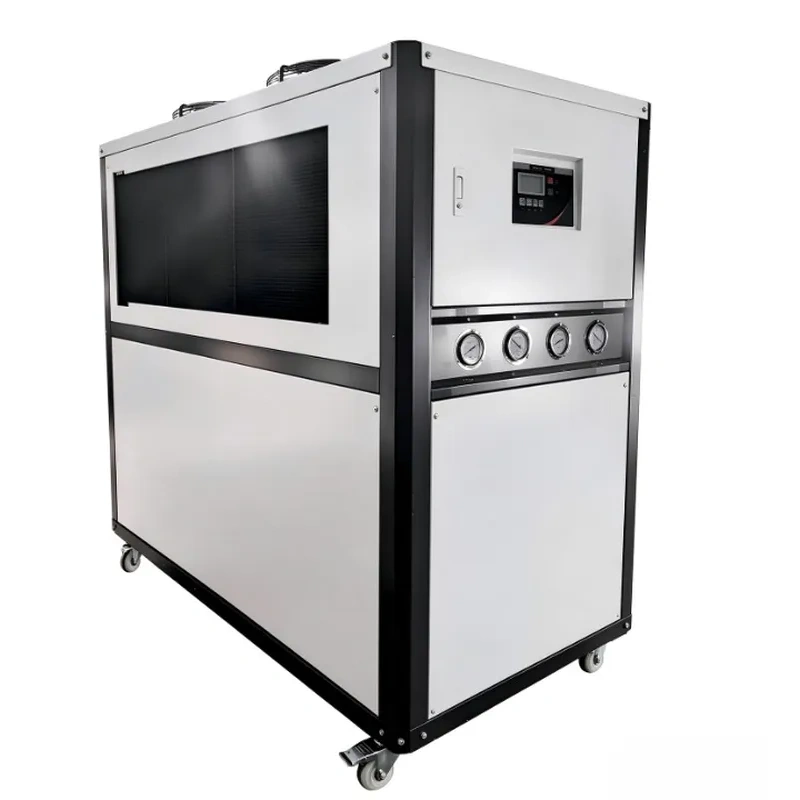
Chiller Sizing: Calculate from Throughput, Not Machine Tonnage
Cooling is a system issue, not a machine-only issue. Mold cooling channel design, chiller capacity, and water temperature stability all affect cycle time. A machine with excellent injection specifications will still run slow if the chiller is undersized or the mold cooling layout is poor.
For PET, a common sizing guideline is approximately 40 lbs/hour of PET throughput per ton of chilling capacity, before adding loads for hydraulics, feed throat, and hot runner. For a preform line running 200 kg/hour, the material-side cooling load is roughly 11 tons before additional loads.
Yisu Project Note: A 16-Cavity PET Line in Southeast Asia
A customer in Southeast Asia planned a 16-cavity PET preform line for a 14g water bottle preform. Their original plan sized the chiller from the machine tonnage. During configuration review, we calculated the actual PET throughput and found the chiller was undersized for the cooling load.
We adjusted the chiller capacity and matched the dehumidifying dryer to the material throughput. The line reached the target cycle without stretching cooling time. The lesson is simple: chiller sizing should come from throughput, not from a rule of thumb based on tonnage.
Clamping Force: Necessary, But Rarely the First Number
Clamping force must be sufficient to keep the mold closed, but for PET preforms, clamping force is rarely the parameter that limits production. Total shot weight and cooling usually determine the machine size first.
Required clamp force depends on the total projected area of the preform cavities and the cavity pressure. Because preform wall thickness and neck finish vary, the projected area per cavity should be taken from the mold design, not estimated from preform weight alone.
A practical approach: confirm the injection unit (shot size and plasticizing capacity) and the mold dimensions first, then confirm clamping force. If a machine has enough shot capacity but insufficient clamp force, flash will appear. If it has enough clamp force but insufficient plasticizing capacity, the cycle will stretch. Both must be checked.
Choosing tonnage first often leads to a machine that is “big enough” but has the wrong injection unit or insufficient mold space. The preform data should drive the configuration, not the other way around.
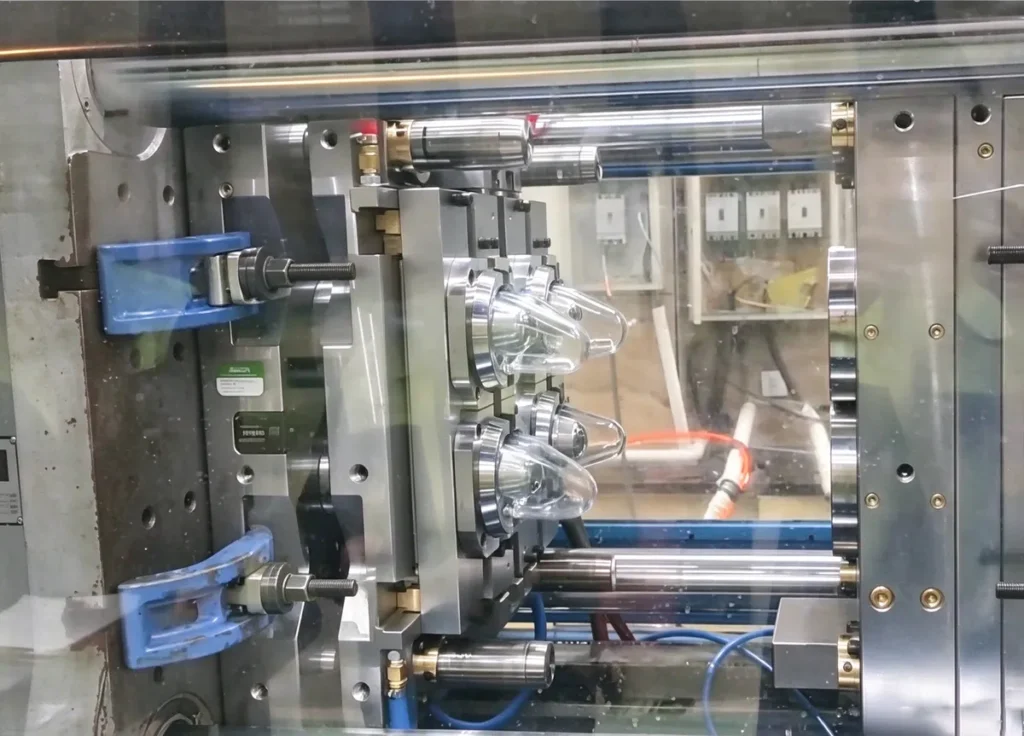
Mold Dimensions and Ejector: Preform Molds Are Deep
Four Dimensions to Check Before Confirming the Machine
Preform molds are taller than many general-purpose molds because the core extends into the preform’s body and neck. Check these dimensions before confirming a machine:
- Mold thickness (height) must fall within the machine’s minimum/maximum mold height range.
- Tie-bar spacing must accommodate the mold width and height.
- Opening stroke must be sufficient for the core to clear the preform.
- Ejector stroke and force must match the preform length and cavity count. High-cavity preform molds require strong, stable ejection.
Why a “Correct Tonnage” Can Still Be the Wrong Machine
A machine with the correct tonnage can still be unusable if the mold does not fit or the ejector stroke is too short. This is one of the most common reasons a “correct” quotation turns into a change order after the mold arrives.
Yisu Project Note: Mold Fit Check Saved a Change Order
A customer in the Middle East already had a preform mold and wanted to add a second machine. The mold was tall and the ejector stroke requirement was longer than standard. During the configuration review, we checked the mold height and ejector stroke against the machine drawing before quoting.
The first machine model we considered had enough tonnage but insufficient ejector stroke. We recommended a different model with a longer stroke and confirmed the tie-bar spacing against the mold dimensions. The machine arrived and the mold fit without modification. A five-minute drawing check before quotation avoided a costly change order after shipment.
What “Custom PET Machine” Actually Means at the Configuration Level
Six Things That Should Be Customized for PET
When a supplier says “we can customize a PET machine,” ask what is actually customized. A genuine PET configuration typically includes:
- PET-specific screw and barrel (barrier design, matched L/D and compression ratio)
- Suitable plasticizing motor torque for PET’s melt viscosity
- Sufficient ejector force and stroke for preform molds
- Cooling circuit capacity (number of water circuits and flow capacity)
- Hot runner interface matched to your mold’s thermocouple type and zone count
- Optional robotic side-entry interface for high-cavity molds
What “Customization” Should Not Mean
If “customization” only means changing the nameplate and adding a PET label, the machine will run but will not deliver stable preform quality at the target cycle. Customization should be visible in the screw drawing, the ejector specification, and the cooling circuit layout—not just in the brochure.
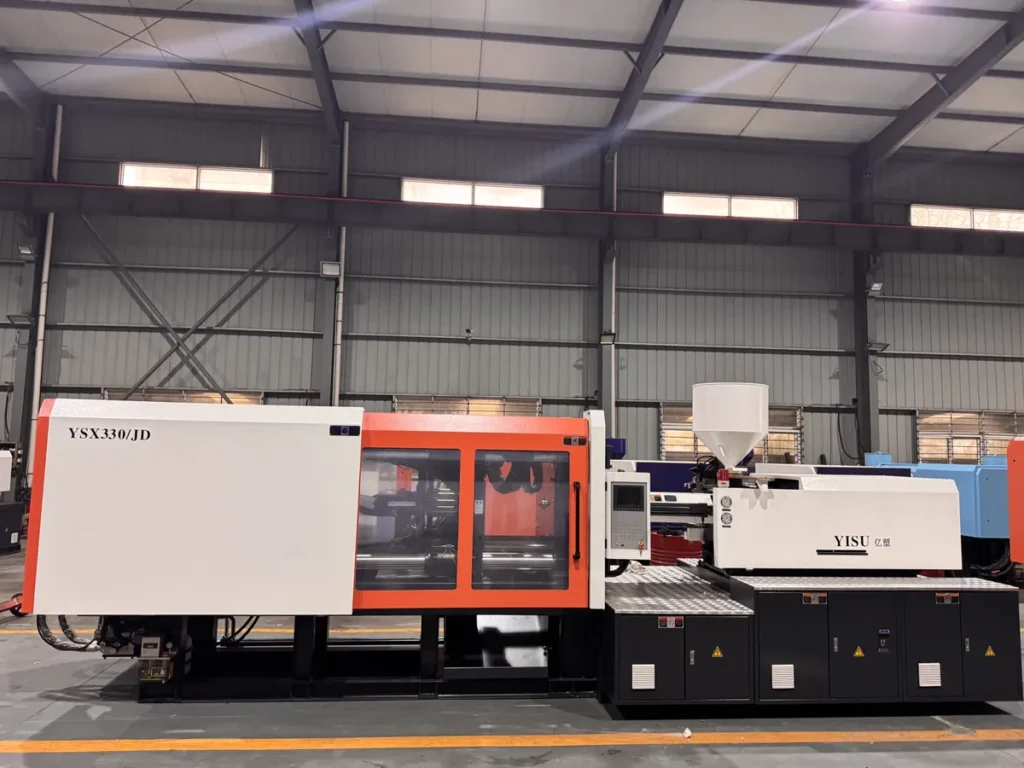
How Yisu Configures a PET Machine
Yisu’s PET configuration is built on a servo-hydraulic platform with a PET barrier screw, matched plasticizing motor, and ejector specification confirmed against the preform mold. We also coordinate the dehumidifying dryer and chiller as part of the same configuration, so the customer receives one coordinated package rather than separate equipment from different suppliers.
What to Send Us Before We Quote a PET Machine
If you want an accurate configuration rather than a rough tonnage guess, send:
- Preform drawing or 3D file (STEP/IGES preferred)
- Preform weight (g)
- Neck finish standard (e.g., PCO 1881)
- Number of cavities
- Target output (pcs/hour)
- Material grade (virgin PET, rPET, or blend)
- Mold dimensions (if the mold already exists)
- Power supply (voltage, frequency, phase)
With these eight items, Yisu can recommend the injection unit, screw configuration, clamping force, and matched auxiliary equipment as one coordinated package. Our servo-hydraulic platform is configured for PET barrier screw and preform mold requirements, not adapted from a general-purpose machine.
Request a PET configuration review → 🔗 Contact page
Tell us your preform weight and cavity count. We will reply with a configuration sheet and a realistic cycle estimate—not a single tonnage number.
Frequently Asked Questions
Q: Can I use a standard injection molding machine for PET preforms if I change the screw?
A: Changing the screw is necessary but not sufficient. The injection unit, plasticizing motor, ejector force, cooling circuits, and hot runner interface must also match preform production. A standard machine with a PET screw may run, but cycle stability and preform quality are not guaranteed.
Q: What is the most important specification when comparing PET machine quotations?
A: There is no single specification. Compare the injection unit (rated shot size vs. your total shot weight), screw L/D and design, plasticizing capacity vs. cooling time, clamping force, mold dimensions, and ejector stroke as one system. A machine with a larger tonnage but an undersized injection unit will not meet your output target.
Q: How do I know if the plasticizing capacity is enough?
A: Compare screw recovery time with mold cooling time. If recovery time is longer than cooling time, the machine cannot reach the target cycle. Ask the supplier to provide plasticizing capacity at the relevant screw speed and melt temperature for PET.
Q: Is a servo-hydraulic machine suitable for PET preforms?
A: Yes, for standard preform production, a servo-hydraulic PET-configured machine provides stable plasticizing and clamping at a lower upfront cost than an all-electric machine. For very high-cavity, high-speed lines where energy and cycle repeatability are the absolute priority, all-electric configurations are available. The correct choice depends on cavity count, target output, and budget.